Email Provider Europe: 5 Secure Options to Trust
Compare secure email provider Europe options for startups, including hosting location, privacy features, migration checks, and GDPR-conscious fit.

Written by Kevin Christensen
If you are looking for an email provider in Europe, you are choosing more than an inbox.
You need to know where your data is stored, which privacy rules apply, and whether the service supports your domain and team workflow.
In this guide, we compare European email providers from EuroToolKit’s Email Hosting category, then cover what to check before switching. A provider cannot replace legal or security review, but it can make data residency, vendor due diligence, and privacy-conscious operations easier to manage.
Top European email providers to consider
Why choose a European email provider?
Email is where private business information often lives for years. If your company works with customers, suppliers, employees, investors, or public-sector clients in Europe, your email provider becomes part of your data protection story.
A European provider can help you keep more of that story inside European or Swiss legal frameworks. That does not automatically make your whole company GDPR-compliant, but it can make vendor review simpler. You can often ask clearer questions about hosting location, data processing agreements, support access, subprocessors, and retention.
This is especially relevant if your team is already reviewing tools like Microsoft 365 or Google Workspace. EuroToolKit has separate guides to European alternatives to Outlook and European alternatives to Google Workspace, which are useful if you want a wider collaboration suite, not just email hosting.
The tradeoff is that big global platforms may have larger app ecosystems, deeper enterprise admin features, or more third-party integrations. A European email provider is not always the best fit for every company. But if privacy, provider jurisdiction, and data location are priorities, it is often worth shortlisting European options early.
What to check before you switch
Start with your real workflow. Do you need simple domain email, or do you need a full workspace with calendars, cloud files, video meetings, and office documents?
Then check the basics:
- Hosting location: Is your email hosted in the EU, Switzerland, or another stated location?
- Company jurisdiction: Which country is the provider based in?
- Security features: Does it support encryption, spam filtering, phishing protection, and secure access?
- Domain support: Can you use your own business domain and manage aliases?
- Migration help: Can you move old mailboxes without major downtime?
- Admin controls: Can you manage users, permissions, forwarding, and recovery?
- Compliance paperwork: Does the provider offer a DPA, privacy documents, and clear subprocessors?
- Integrations: Will it work with your CRM, calendar tools, website forms, and support desk?
Think of email migration like moving your office keys. You do not just care about the new door. You care who can copy the keys, where the logs are kept, and whether people can still get into the right rooms on Monday morning.
Which provider fits which business?
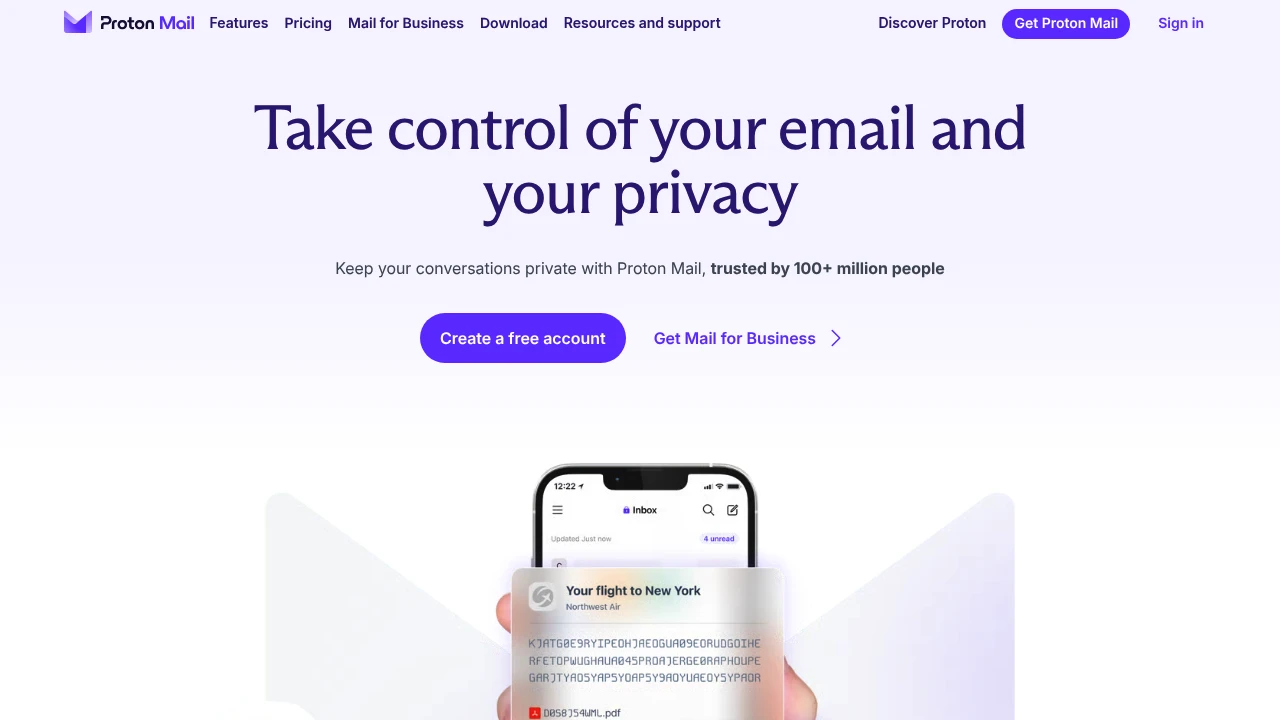
Proton Mail is a strong fit when privacy and encryption are high priorities. It is especially relevant for founders, consultants, legal-adjacent teams, journalists, nonprofits, or companies handling sensitive communication. Its privacy-first approach may be more important than having the broadest office-suite feature set.
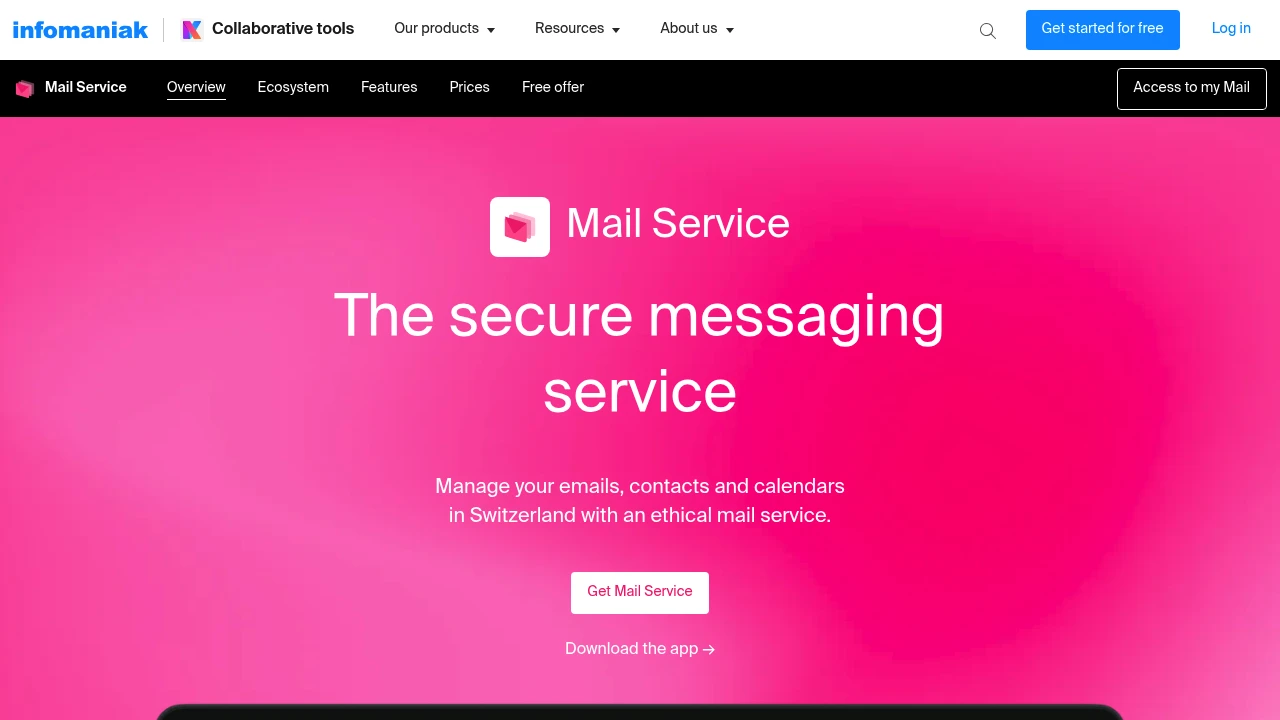
Infomaniak Mail is a good option if you want Swiss hosting, custom domain email, and a wider productivity setup around email, contacts, and calendars. It can suit startups that want a European provider but still need practical team tools.
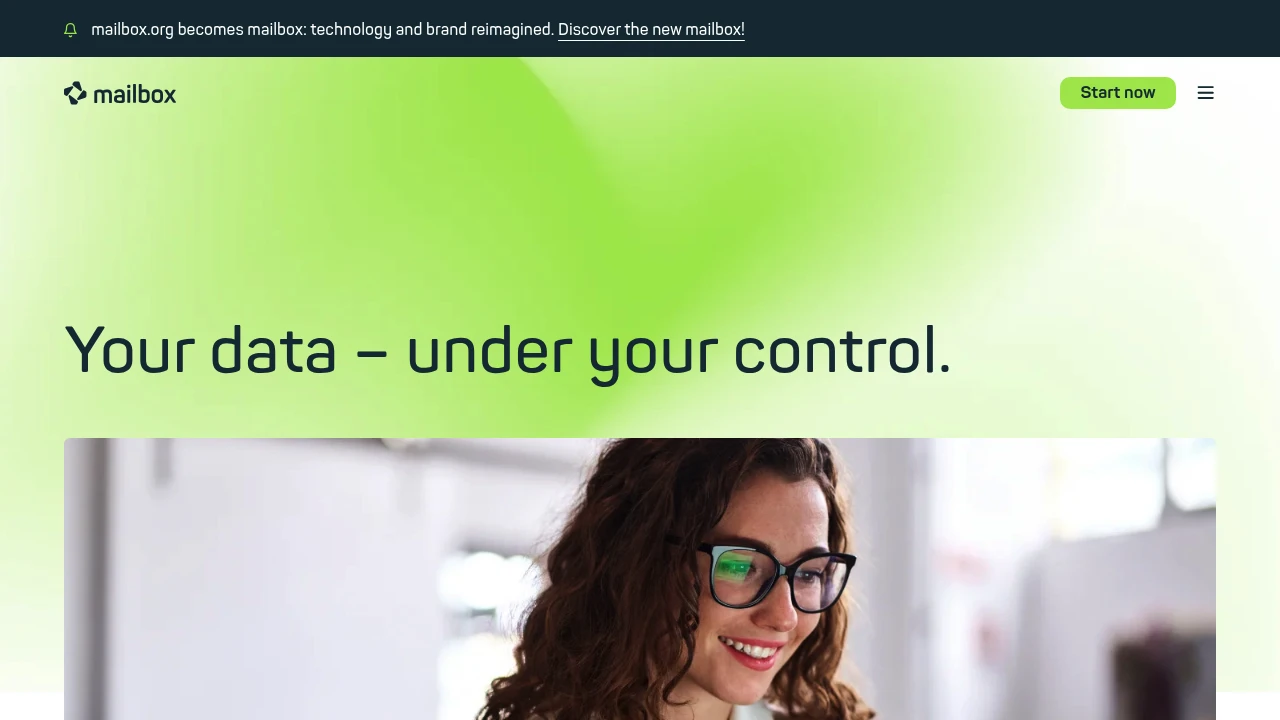
Mailbox is worth considering if your company wants secure email together with cloud storage, online office features, and meetings. It is positioned more like a privacy-conscious workspace than a standalone inbox.
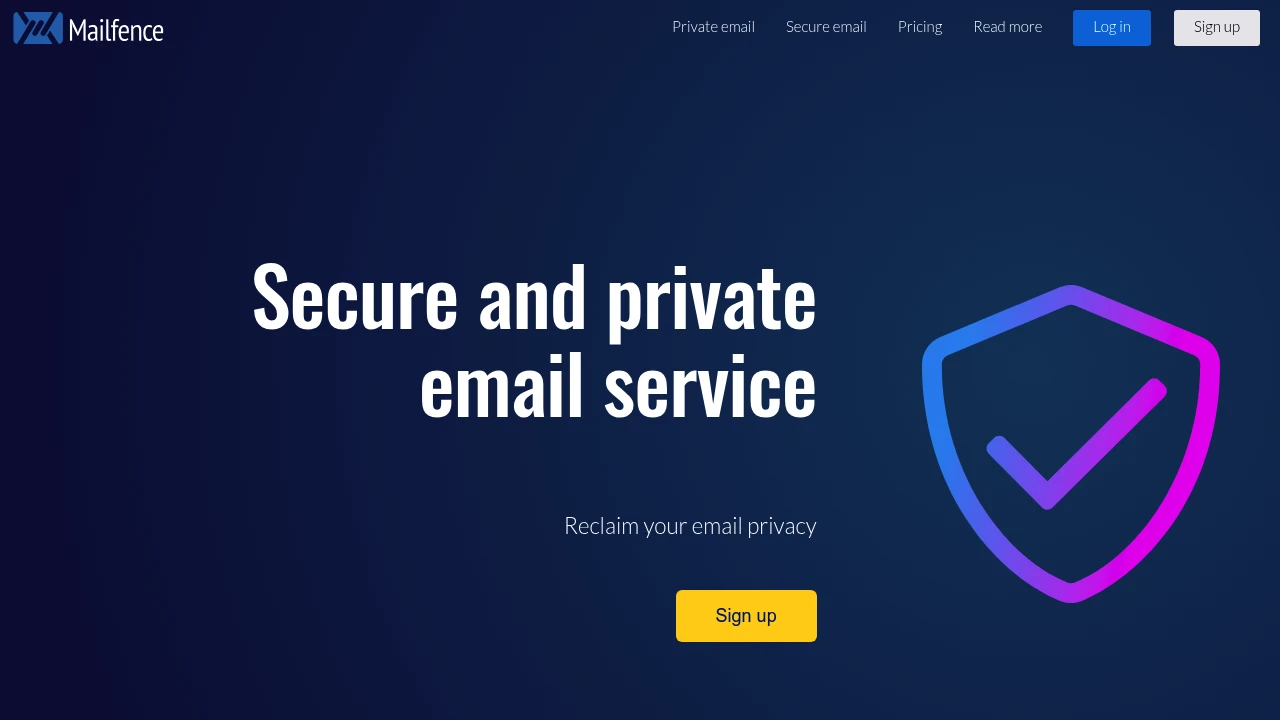
Mailfence is a good match when secure communication, OpenPGP, and digital signatures matter. It can fit teams that need stronger message-level privacy controls and want an integrated suite around email, calendars, and documents.
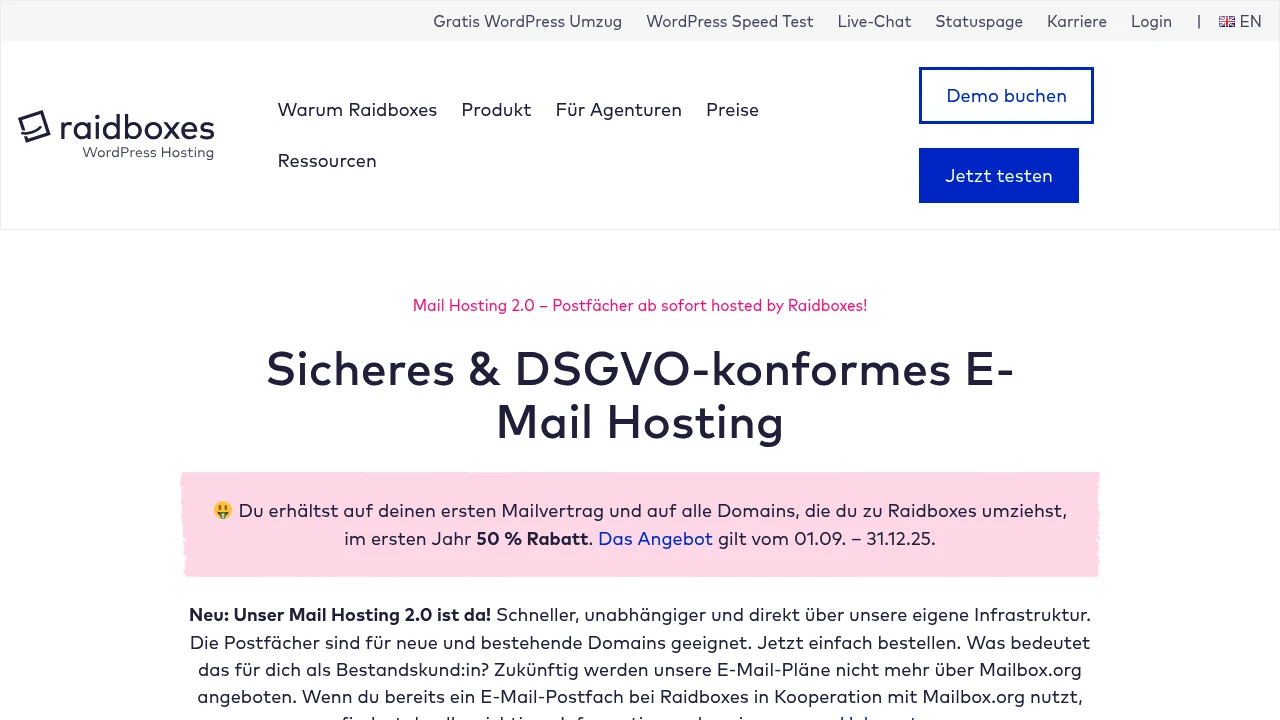
Raidboxes Email is more straightforward. It suits businesses that want professional email hosting in Germany with practical mailbox features such as aliases, forwarding, autoresponders, and spam filtering. If your company already uses Raidboxes for hosting, keeping email with the same provider may also simplify operations.
There are other European options too. EuroToolKit also lists providers such as Mailo, Inbox.eu, Combell Email, Hostpoint Email, and Seeweb Mail. Those may be a better fit if you prefer France, Latvia, Belgium, Switzerland, or Italy as your provider base, or if you already use those vendors for hosting and domains.
Email privacy is not only about the inbox
Choosing an email provider in Europe is a strong step, but email privacy depends on the whole setup.
For example, your website forms may send customer data into your mailbox. Your CRM may sync emails. Your accounting tool may send invoice attachments. Your help desk may forward customer conversations. If those systems sit outside Europe or lack clear processing terms, your email provider cannot fix the whole chain.
That is why email provider selection should sit inside a broader vendor review. Ask what data each connected tool receives, where it stores it, and whether you have a proper legal basis and agreement for that processing.
If your concern is exposure to non-European legal frameworks, EuroToolKit’s guide on the US CLOUD Act and FISA 702 gives useful background. The key point is not that every non-European tool is wrong. It is that European companies should understand the tradeoffs before choosing core infrastructure.
A simple shortlist process
Use a simple four-step process before changing provider.
First, write down your must-haves. For example: EU or Swiss hosting, custom domain, two-factor authentication, shared calendars, migration support, and a signed DPA.
Second, remove tools that clearly do not fit. If you need a full office suite, a simple mailbox host may not be enough. If you only need reliable domain email, a large workspace platform may be overkill.
Third, test with one small mailbox or a non-critical domain. Check deliverability, spam filtering, calendar sync, mobile setup, admin controls, and support response time.
Fourth, plan the migration. Keep DNS, MX records, SPF, DKIM, and DMARC on your checklist. If those records are wrong, even a good provider can lead to delivery problems.
For domain security, a tool like Mail Hardener can also help you monitor SPF, DKIM, and DMARC, but it is not a replacement for an email provider. It supports the security layer around your mail domain.
Final recommendation
The best email provider in Europe depends on what your business values most. Proton Mail is a strong privacy-first choice. Infomaniak Mail gives you Swiss-hosted business email with practical collaboration features. Mailbox offers a German privacy-focused workspace. Mailfence is useful when OpenPGP and secure communication are central. Raidboxes Email is a practical German-hosted option for straightforward business email.
If you are a startup, do not choose only from a feature checklist. Choose based on your risk profile, your team habits, and your migration capacity. A tool that is perfect on paper can still fail if your team cannot use it well. Also be honest about your integrations. If your sales, support, and calendar workflows depend on a specific ecosystem, migration may need more testing than the pricing page suggests.
Start with EuroToolKit’s Email Hosting category, compare the providers against your must-haves, and test before moving your whole company. The right European email provider should make your daily work easier while giving you a clearer privacy and compliance story for customers, partners, and your own peace of mind. Pick the option that your team can maintain, document, and explain clearly when a customer asks where their data goes.
 SparkReceipt — Never lose another receipt. Get your bookkeeping down to ten minutes a month.