European Alternatives to Outlook: Privacy-First Business Email
Replace Microsoft Outlook with European email providers offering superior data sovereignty, enterprise features, and complete GDPR compliance under European legal protection.

Written by Kevin Christensen
Microsoft Outlook and Microsoft 365 dominate corporate email across Europe, offering enterprise-grade features and deep integration with Windows environments. But beneath the familiar interface lies a critical legal problem: your company emails hosted on Microsoft's infrastructure remain subject to US surveillance laws that directly conflict with GDPR requirements.
Even when your data sits in Microsoft's Amsterdam or Dublin data centers, the parent company—Microsoft Corporation—operates under US jurisdiction. The CLOUD Act grants US authorities access to your emails without European court oversight, creating compliance risks that European regulators increasingly view as incompatible with GDPR.
European email providers offer the same business features without the legal vulnerabilities, often at lower costs and with better support. These concerns mirror the issues with Google Workspace, where US jurisdiction creates similar GDPR compliance challenges.
The Microsoft 365 Compliance Problem
Microsoft invests heavily in compliance certifications and promises GDPR adherence. But legal structure, not technical measures, creates the fundamental problem.
Extraterritorial Surveillance Risk
The US CLOUD Act requires Microsoft to provide customer data to US law enforcement regardless of where it's stored. Your emails in a European data center aren't protected by European legal process—Microsoft can be compelled to hand them over based solely on US warrants.
This isn't theoretical concern. The CLOUD Act was specifically designed to override data localization protections. For European businesses in regulated industries, this creates an irreconcilable conflict between US law and GDPR obligations.
The French Government's Microsoft 365 Rejection
In 2021, the French government rejected Microsoft 365 for government use, citing incompatibility with French data sovereignty requirements. French ministries instead adopted sovereign European alternatives.
If Microsoft 365 cannot meet the privacy standards required by European governments, can your business truly claim GDPR compliance while using it?
Data Processing Concerns
Microsoft's terms of service grant broad rights to process customer data for "service improvement" and other purposes. While they've clarified they don't scan emails for advertising, questions remain about data usage for AI training and product development.
European email providers operate under strict purpose limitation principles: your data is used exclusively for delivering email service, nothing more.
Support and Accountability Challenges
Microsoft 365 support operates through global call centers with limited European legal expertise. When compliance questions arise or data incidents occur, getting clear answers about European data protection law proves difficult.
European providers employ local teams who understand GDPR intimately and operate under European consumer protection laws that give you genuine legal recourse.
What European Email Providers Deliver
Modern European email hosting matches Microsoft 365's business features while providing stronger privacy protections and often better usability.
Complete Data Sovereignty
European providers headquartered in EU member states or Switzerland operate exclusively under European jurisdiction. Your emails cannot be accessed under foreign surveillance laws. This isn't a technical measure—it's a legal guarantee.
Advanced Encryption Standards
Microsoft 365 encrypts data in transit and at rest, but Microsoft holds the encryption keys and can decrypt your emails. Leading European providers offer zero-knowledge encryption where even the provider cannot access your messages.
Enterprise Features Without Lock-In
European email services provide the business functionality Outlook users expect—shared calendars, contact management, task lists, mobile sync—using open standards instead of proprietary protocols. This means genuine portability: you can switch providers or self-host without losing functionality.
Predictable, Transparent Pricing
Microsoft 365 pricing includes numerous tiers, add-ons, and per-feature charges. European providers typically offer straightforward per-user pricing with all features included, no surprise costs, and clear terms.
European-Hours Support from Local Teams
European email providers staff support teams in European timezones who speak your language and understand local regulations. No offshore call centers, no chatbots trained on American legal frameworks, no timezone frustrations.
Top 5 European Alternatives to Microsoft Outlook
These providers deliver enterprise email with calendars, contacts, and collaboration features matching Microsoft 365, all with guaranteed European data protection.
Feature-by-Feature Comparison
Email Client Experience
Microsoft Outlook: Rich desktop client with extensive features, deep Windows integration, heavy resource usage.
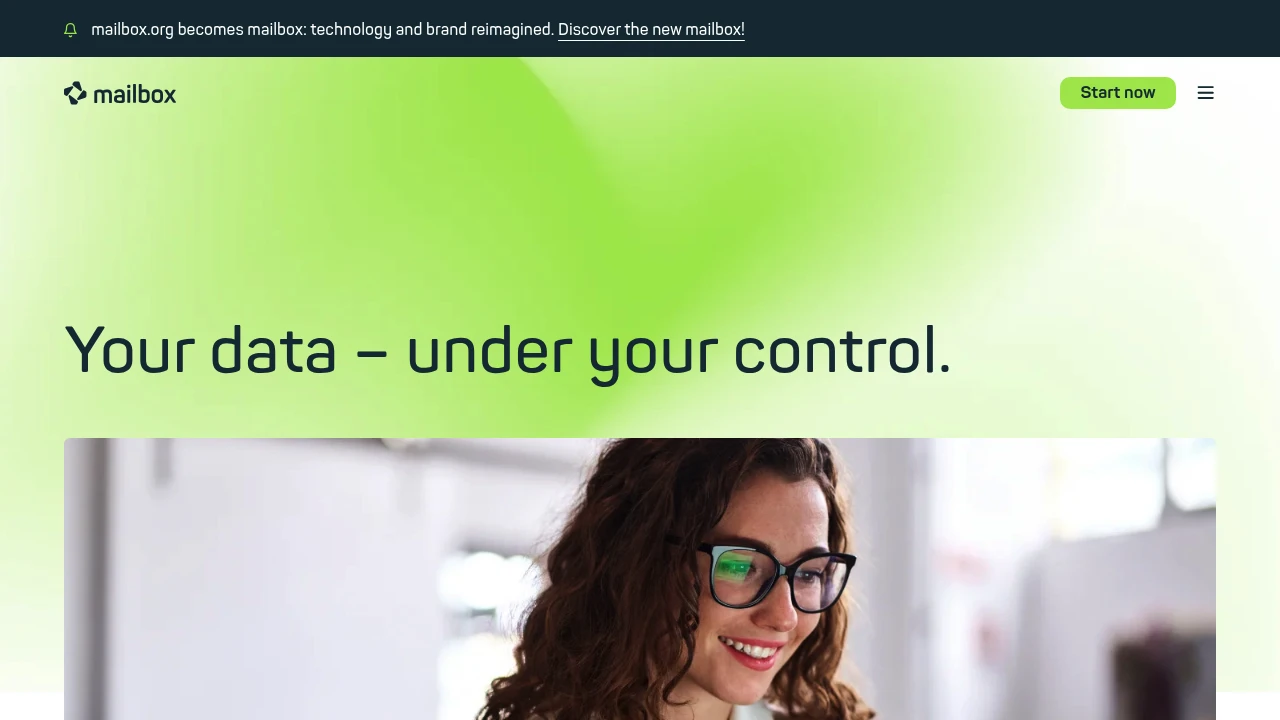
European Alternatives: Most support standard IMAP/SMTP protocols, working seamlessly with Outlook desktop client, Thunderbird, Apple Mail, or webmail interfaces. Mailbox.org even supports native Outlook protocol for zero-friction migration.
Calendar and Scheduling
Microsoft Outlook: Excellent calendar with meeting scheduling, room booking, availability checking across organizations.
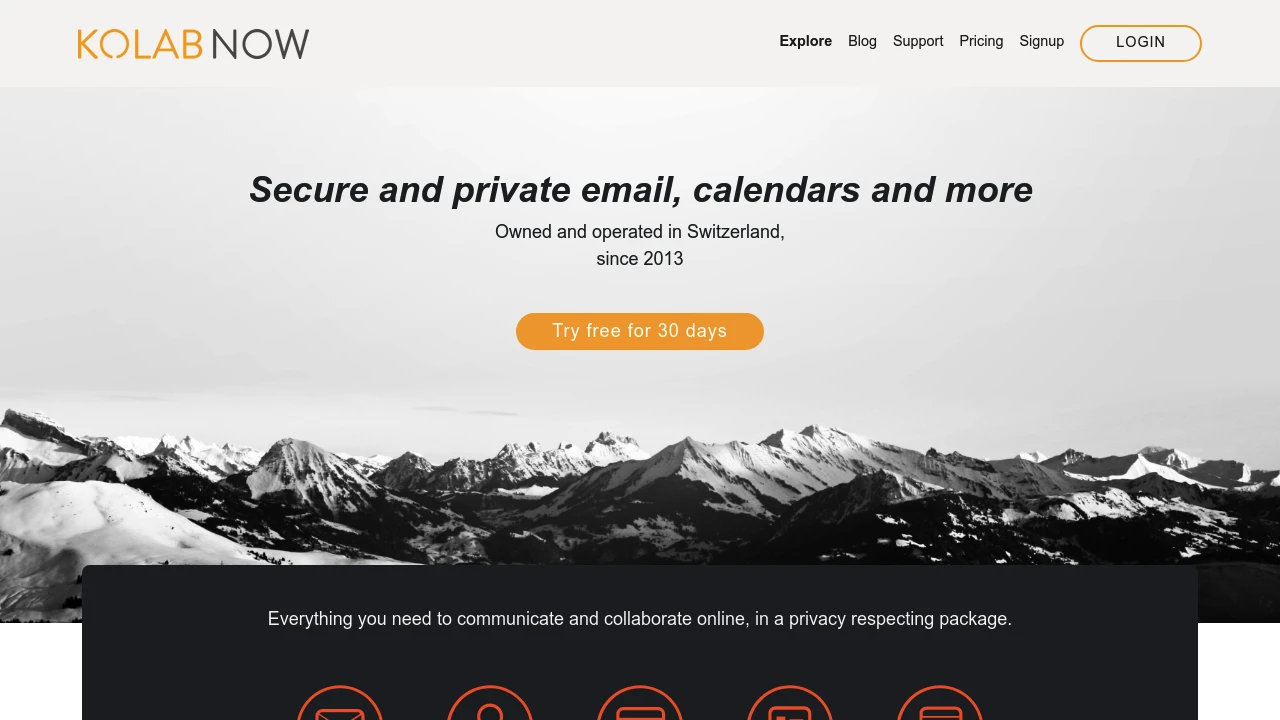
European Alternatives: CalDAV standard enables calendar sharing, free/busy lookups, and meeting invites compatible with Outlook users. Providers like Mailbox.org and Kolab Now offer feature parity with Microsoft's calendar capabilities.
Contacts and Address Books
Microsoft Outlook: Centralized contacts with company directory integration, synced across devices.
European Alternatives: CardDAV standard provides contact synchronization across all devices. Business plans include shared address books for teams, matching Outlook's functionality without proprietary lock-in.
Mobile Synchronization
Microsoft Outlook: Native Outlook mobile apps with push notifications and full feature access.
European Alternatives: Standard ActiveSync, IMAP, CalDAV, and CardDAV protocols ensure seamless sync with iOS Mail, Android clients, and third-party apps. Providers also offer their own mobile apps for enhanced features.
Collaboration and Sharing
Microsoft Outlook: Shared mailboxes, calendar delegation, task assignment, integrated with Teams and SharePoint.
European Alternatives: Shared calendars, collaborative email access, task management available from providers like Mailbox.org and Kolab Now. Can integrate with European alternatives to Teams (like Nextcloud Talk) for complete collaboration suite.
Storage and Archiving
Microsoft Outlook: 50GB mailbox storage on Business Basic, 100GB on Business Standard, unlimited on higher tiers.
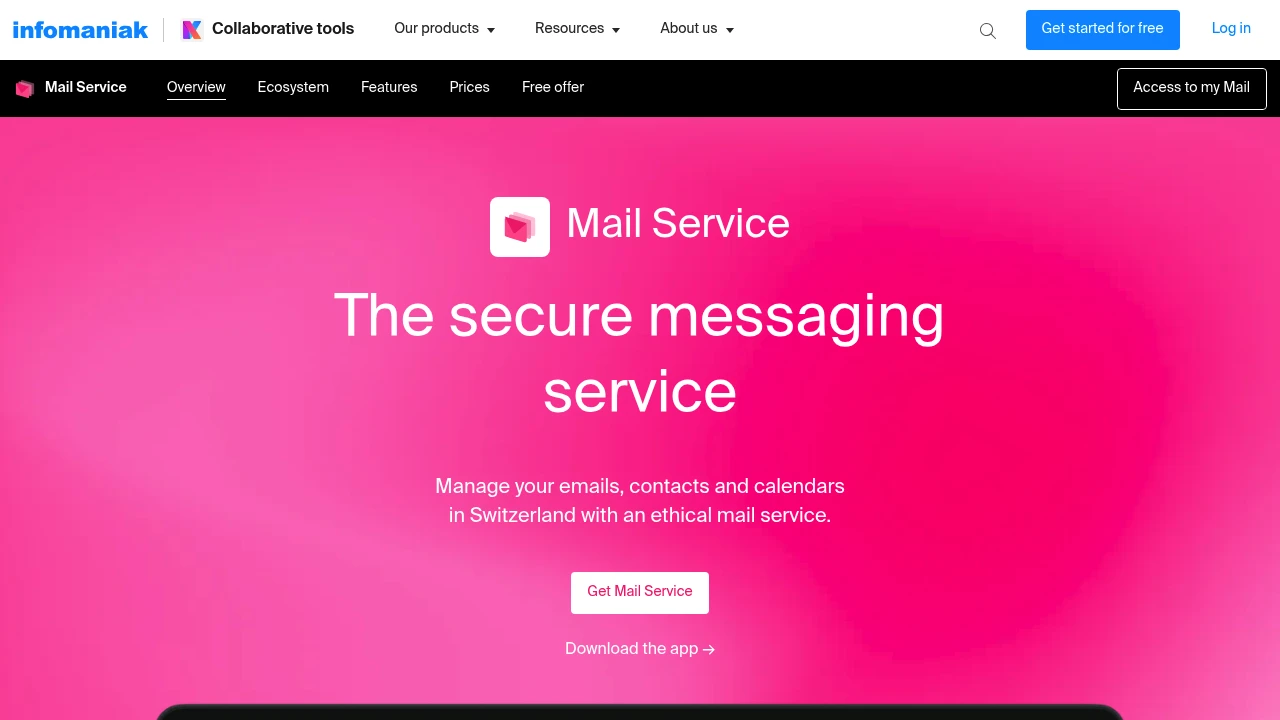
European Alternatives: Mailbox.org and Infomaniak offer unlimited storage. Most providers include generous storage (15-50GB) with options to expand. Critically, your data remains accessible via standard protocols for easy archiving.
Security and Encryption
Microsoft Outlook: Encryption in transit (TLS) and at rest, but Microsoft holds keys. Advanced threat protection available on premium plans.
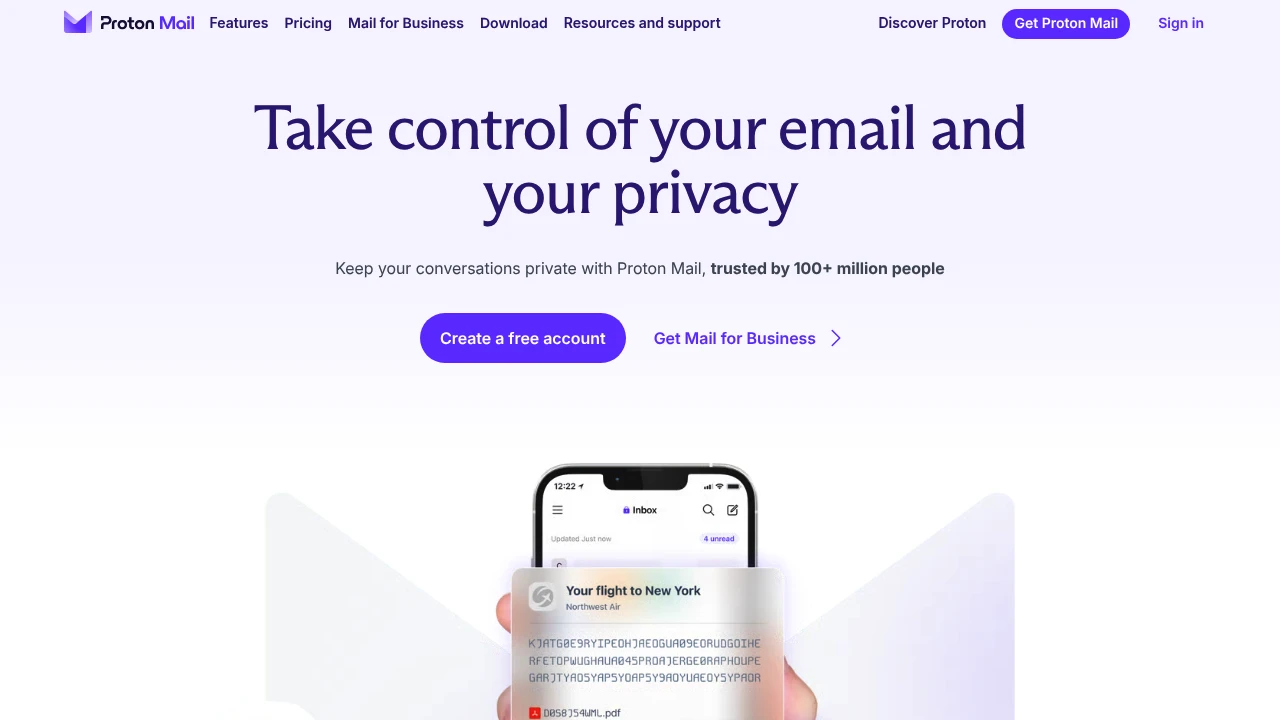
European Alternatives: Encryption in transit and at rest standard across all providers. Proton Mail and Mailfence offer zero-knowledge end-to-end encryption where providers cannot access content. Built-in spam filtering and phishing protection match or exceed Microsoft's capabilities.
Administrative Controls
Microsoft Outlook: Comprehensive admin center for user management, security policies, compliance features.
European Alternatives: Business plans include admin panels for user management, security settings, and compliance tools. Simpler interfaces often prove easier to manage than Microsoft's complex admin center.
Migrating from Microsoft Outlook to European Email
Transitioning from Microsoft 365 to European email hosting follows a clear process that minimizes disruption.
Migration Planning
Timeline: Plan 2-4 weeks for complete migration, allowing time for testing and gradual rollout.
Team Communication: Inform your team about the switch, explaining privacy and compliance benefits. Most users adapt quickly when they understand the reasoning.
Backup Strategy: Export critical emails and data from Microsoft 365 before beginning migration as a safety precaution.
Technical Migration Steps
1. Choose and Configure Your European Provider
Select a provider matching your needs and set up an account. For businesses, this means:
- Creating your organization account
- Adding your custom domain (companyname.com)
- Configuring DNS records (MX, SPF, DKIM, DMARC) as instructed
- Setting up user accounts for your team
2. Import Your Email Data
European providers offer several migration options:
Automated Migration Tools: Services like Mailbox.org and Infomaniak provide one-click Microsoft 365 importers. You authorize temporary access, and the system automatically copies:
- All emails and folder hierarchies
- Calendar events and appointments
- Contacts and address books
IMAP Migration: Use email clients like Thunderbird to connect both accounts and copy emails between them.
PST File Import: Export data from Outlook to PST files, then import to your new provider's webmail interface.
3. Test Thoroughly
Before switching DNS records:
- Verify all emails migrated correctly
- Test sending and receiving with your new provider
- Confirm calendar and contact sync works on all devices
- Set up mobile devices with new email settings
4. Switch DNS Records
Update your domain's MX records to point to your European provider. Email delivery will shift to the new service within hours as DNS propagates globally.
5. Configure All Devices
Update email settings on:
- Desktop computers (Outlook, Thunderbird, Apple Mail)
- Smartphones and tablets
- Any email-enabled applications or services
Most European providers offer detailed setup guides for all platforms.
6. Decommission Microsoft 365
Keep your Microsoft 365 subscription active for 30-60 days after migration as a safety net. Once confident everything works correctly, cancel the subscription.
Cost Analysis: Microsoft 365 vs European Alternatives
European email providers typically cost less than Microsoft 365 while offering comparable or superior features.
Microsoft 365 Business Pricing:
- Basic: €5.60/user/month (web apps only, 50GB mailbox)
- Standard: €12.00/user/month (desktop apps, 50GB mailbox)
- Premium: €21.20/user/month (advanced security, unlimited archive)
European Alternative Pricing:
- Mailbox.org: €3.00/user/month (unlimited storage, office suite included)
- Infomaniak Mail: €6.95/user/month (unlimited storage, 3TB cloud storage)
- Proton Mail: €8.99/user/month (15GB storage, VPN and calendar included)
- Kolab Now: €8.66/user/month (unlimited storage, full collaboration suite)
- Mailfence: €7.50/user/month (20GB storage, document collaboration)
Annual Savings Example: A 25-person team on Microsoft 365 Business Standard pays €3,600/year. The same team on Mailbox.org pays €900/year—saving €2,700 annually while gaining better privacy protection and European data sovereignty.
Compliance and Legal Benefits
GDPR Compliance Confidence
European email providers simplify GDPR compliance:
- No international data transfers requiring complex legal mechanisms
- Data Processing Agreements are straightforward and standard
- Subject Access Requests are handled efficiently by providers familiar with European requirements
- Right to erasure is actually implemented, not administratively delayed
Industry Certifications
Healthcare: German and Swiss providers exceed requirements for medical data protection. Mailbox.org and Proton Mail offer encryption meeting medical confidentiality standards.
Legal Services: Attorney-client privilege requires absolute confidentiality. European providers' end-to-end encryption options and strong legal protections guarantee this.
Financial Services: Banking regulations demand data sovereignty. European email hosting eliminates foreign surveillance risks entirely.
Government Contractors: Increasingly, European government contracts require sovereign infrastructure. European email providers meet these requirements where Microsoft 365 cannot.
Regulatory Clarity
Recent regulatory guidance challenges Microsoft 365's viability for European businesses:
- Belgian DPA warned that Microsoft 365 may not comply with GDPR for government and sensitive data
- Dutch DPA required extensive contractual modifications for Microsoft 365 government use
- French government rejected Microsoft 365 entirely for data sovereignty reasons
- German government raised concerns about Microsoft's telemetry and data processing
European email providers face none of these regulatory challenges because they're built on European legal foundations from the start.
Common Concerns About Switching
Will we lose Outlook desktop client? No. Most European providers support IMAP/SMTP protocols that work perfectly with Outlook desktop. Mailbox.org specifically supports Outlook's native protocols. Only providers with zero-knowledge encryption (like Proton) require bridge software.
Can we still collaborate with Microsoft 365 users? Absolutely. Email uses open standards—you can email anyone regardless of their provider. Calendar invites work seamlessly. Document collaboration requires different tools, but European alternatives like Nextcloud match Microsoft's capabilities.
What about our existing Outlook rules and folders? Most migration tools preserve folder structures automatically. Email rules need to be recreated in your new provider, which typically takes minutes using intuitive web interfaces.
How do we handle Microsoft Teams replacement? European providers focus on email. For chat and video collaboration, consider European alternatives like Nextcloud Talk, Element (Matrix), or Jitsi that integrate well with European email hosting.
Is it difficult to train non-technical staff? No. Webmail interfaces from European providers are intuitive. For staff using Outlook desktop, the experience remains nearly identical since they're just connecting to a different server.
Why European Businesses Are Switching Now
The tide is turning against Microsoft 365 in Europe. Legal challenges, regulatory pressure, and growing awareness of data sovereignty issues are driving businesses toward European alternatives.
Legal Precedents
Court decisions increasingly challenge US cloud services:
- Schrems II invalidated Privacy Shield data transfers to the US
- Austrian DPA ruling against Google Analytics sets precedent for all US cloud services
- Belgian government guidance explicitly warns against Microsoft 365 for sensitive data
- German court rulings question Microsoft 365's GDPR compliance
Sovereignty Concerns
European digital sovereignty has become a strategic priority. Reliance on US infrastructure creates vulnerabilities:
- Political pressure from foreign governments
- Service interruptions due to US policy changes
- Data access by foreign intelligence agencies
- Vendor dependence on companies whose interests may not align with European values
This sovereignty concern extends beyond email. If you're also using Microsoft Azure or other US cloud platforms, consider reviewing European alternatives to Google Cloud, which covers sovereign European infrastructure providers that can replace any hyperscaler dependency.
Better Economics
European providers offer superior value: lower costs, no hidden fees, unlimited storage, and better support. The privacy and compliance benefits come with financial advantages, not penalties.
Technical Excellence
European email hosting isn't a compromise—it's often technically superior. Open standards, better deliverability, cleaner interfaces, and faster support resolution make European alternatives better products, not just more compliant ones.
Making the Switch
The question isn't whether Microsoft Outlook and Microsoft 365 create legal risks for European businesses—regulatory authorities and courts have made that clear. The question is which European alternative best fits your organization's needs.
For most businesses, providers like Mailbox.org and Infomaniak deliver seamless migration, familiar functionality, and dramatic cost savings alongside complete data sovereignty.
For organizations handling sensitive data, Proton Mail and Mailfence provide zero-knowledge encryption that fundamentally exceeds what Microsoft's architecture can offer.
For teams prioritizing open source and flexibility, Kolab Now delivers transparency and portability impossible with proprietary solutions.
European email hosting represents better compliance, better privacy, better value, and increasingly, better technology. The only challenge is choosing which European provider matches your specific requirements—and making the switch before regulatory enforcement makes it mandatory rather than optional.
 SparkReceipt — Never lose another receipt. Get your bookkeeping down to ten minutes a month.