European Alternatives to Microsoft Teams: Secure Video Conferencing
Discover European video conferencing and collaboration tools that keep your sensitive meetings private from US surveillance laws like the CLOUD Act and FISA 702.

Written by Kevin Christensen
When Danish and Greenlandic officials logged into Microsoft Teams for emergency talks about US pressure on Greenland's future, they likely didn't consider who else might be listening. The heated January 2026 meeting—where voices were raised, tempers flared, and messages were typed in capital letters—took place on servers controlled by an American company subject to American surveillance laws.
This isn't paranoia. It's legal reality. Every word spoken in that crisis meeting, every document shared, every chat message exchanged was processed on infrastructure that US intelligence agencies can compel Microsoft to access—without European court oversight, without notification, and without recourse.
For European governments, businesses, and organisations handling sensitive communications, Microsoft Teams represents a fundamental security risk that no amount of "EU data residency" promises can solve. The solution lies in European-built alternatives that operate entirely outside US legal jurisdiction.
Top European Alternatives to Microsoft Teams
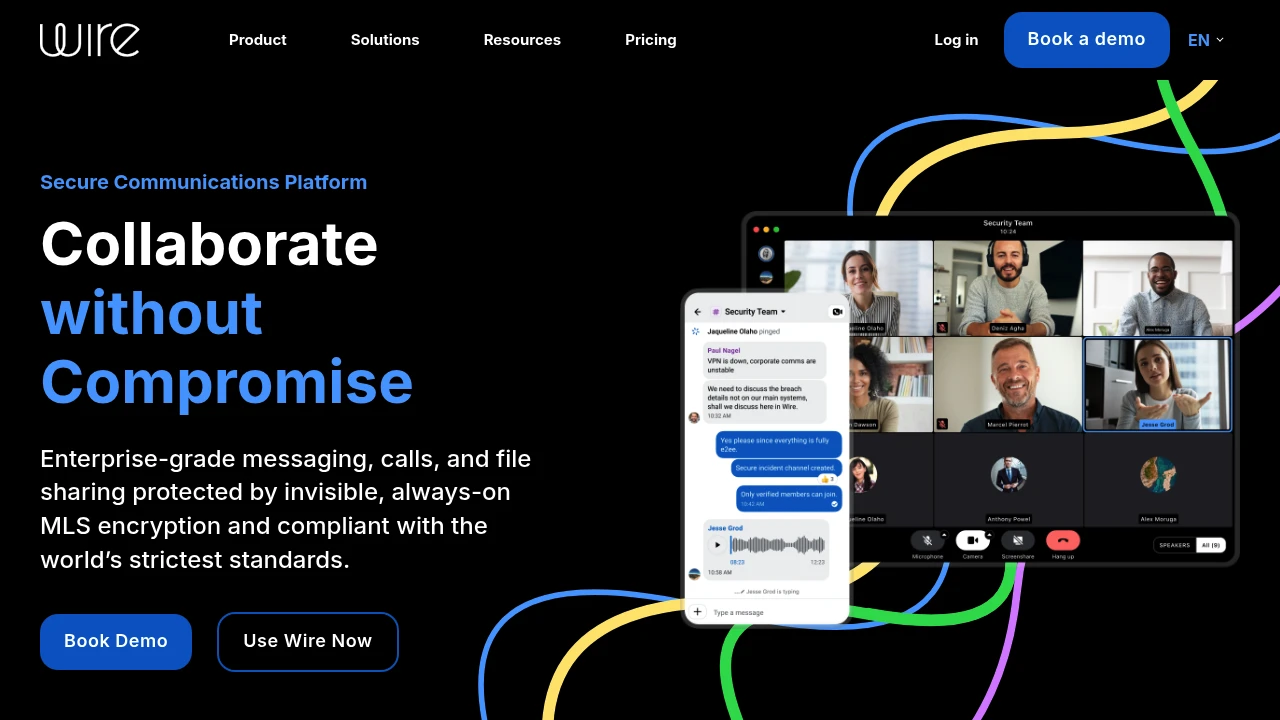
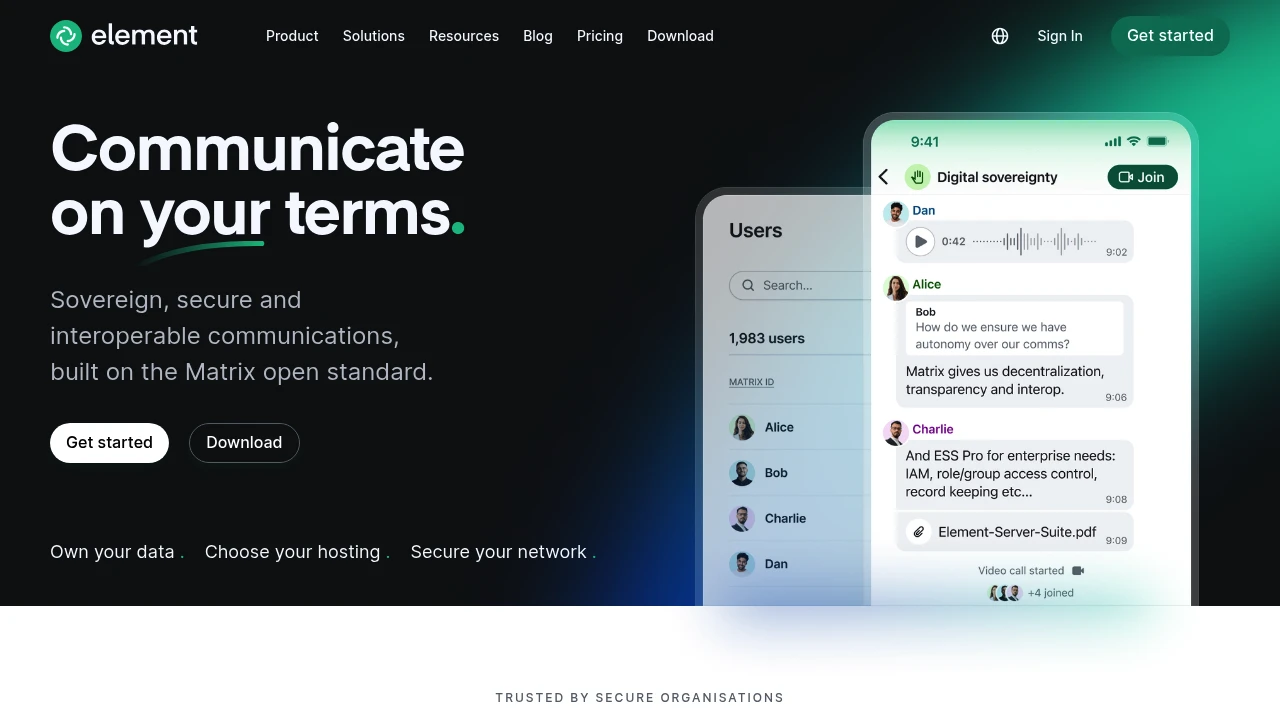
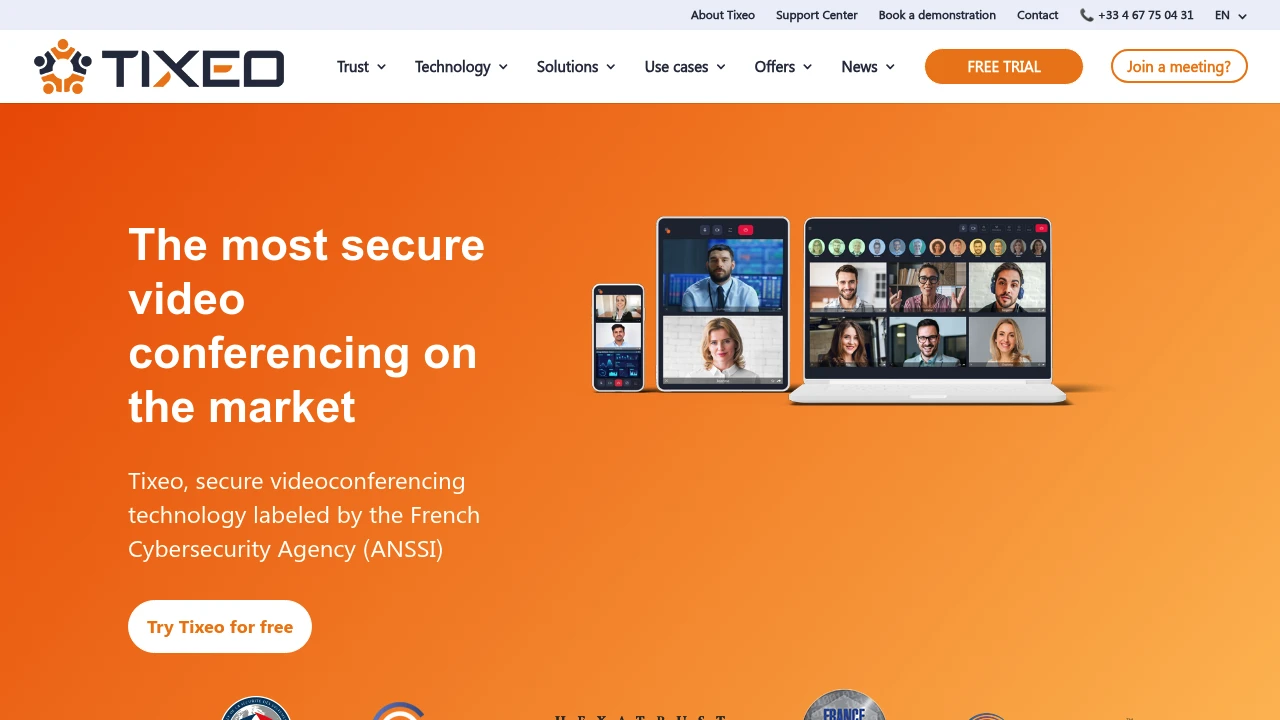
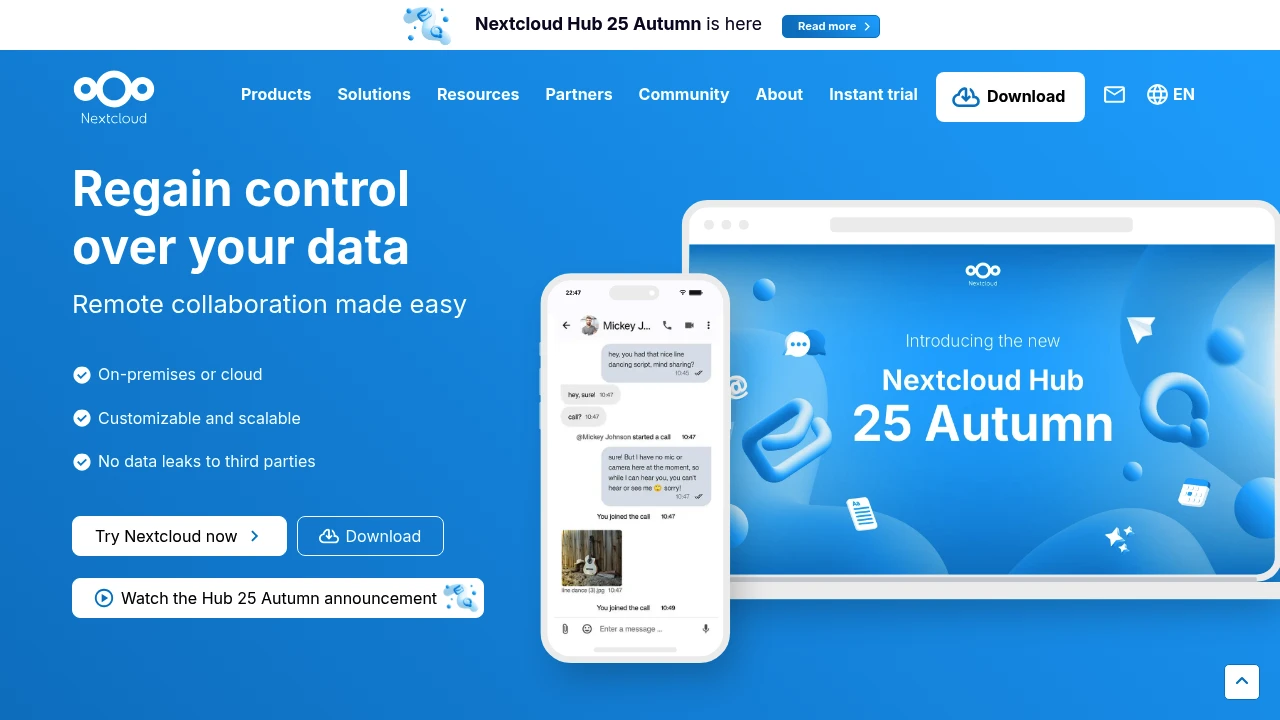
These European platforms offer secure video conferencing, team messaging, and collaboration features comparable to Teams—without the surveillance risks. All operate under European jurisdiction, making them immune to CLOUD Act and FISA demands.

Why Microsoft Teams Creates Security Vulnerabilities
Microsoft Teams dominates workplace communication, with over 320 million monthly active users. Its deep integration with Microsoft 365 makes it the default choice for many organisations. But this convenience comes with serious legal and security implications for European users.
The CLOUD Act Problem
The US Clarifying Lawful Overseas Use of Data (CLOUD) Act grants American law enforcement the power to demand data from US companies regardless of where that data is physically stored. Your Teams meeting hosted in a Frankfurt data center? Still accessible to US authorities.
During a French Senate hearing in June 2025, Microsoft France's director of public and legal affairs Anton Carniaux was asked directly whether he could guarantee under oath that French citizen data would never be transmitted to US authorities without explicit French authorisation. His response: "No, I cannot guarantee it." While he noted such a demand has never occurred, the legal obligation remains.
Committee president Senator Simon Uzenat pushed back, calling Microsoft's transparency reports "purely declarative" with no external oversight.
FISA Section 702 Surveillance
FISA Section 702 allows US intelligence agencies to conduct warrantless surveillance on foreign individuals using US electronic communication services. This explicitly includes business communication platforms like Teams.
The law requires compliance in secret, often via gag orders. You would never know if your organisation's Teams data had been accessed. For European governments and businesses handling sensitive negotiations, competitive intelligence, or confidential client matters, this is unacceptable.
The Denmark-Greenland Example
The January 2026 Teams meeting between Danish and Greenlandic officials perfectly illustrates the problem. The discussion centred on how to respond to US pressure regarding Greenland—pressure coming from the very government that can legally demand access to that conversation.
The meeting reportedly included sensitive proposals about establishing direct US-Greenland communications bypassing Denmark. Greenlandic representatives expressed frustration over being excluded from key decisions. Danish officials pushed back on constitutional grounds. All of this flowed through Microsoft's servers.
Even if US intelligence agencies never accessed this particular meeting, the mere possibility should concern any European government using Teams for sensitive communications. The legal framework exists. The technical capability exists. The political motivation clearly exists.
What "EU Data Residency" Actually Means
Microsoft offers EU Data Boundary options and European data centers. But as one European ministry CISO explained: "The point is that every voice message will be processed on external computer systems which are not under our full control. At the end of the day, if a security agency from the US wants to force a US vendor to pull out data, then they have to do this."
EU data residency means your data is stored in Europe—but it remains under the control of a US company. The distinction matters enormously.
European Governments Are Already Moving Away
Multiple European countries have recognised this risk and are actively migrating away from Microsoft Teams and Office 365:
- Germany: The Federal Commissioner for Data Protection issued warnings that Microsoft's data handling makes GDPR compliance nearly impossible for public sector organisations. The federal government now uses Nextcloud for 300,000 employees.
- Netherlands: Initiated large-scale migration away from Microsoft products after the Data Protection Authority raised concerns about US data transfers
- France: CNIL issued warnings about Microsoft 365 compliance issues; government agencies deploy Matrix-based Tchap for 5.5 million civil servants
- Denmark: Despite the Teams controversy, government data protection reviews are ongoing
- Austria and Italy: Both actively evaluating European alternatives for government communications
The trend is clear: European governments increasingly view US communication platforms as security liabilities, not productivity tools.
Feature Comparison: Teams vs European Alternatives
Video Conferencing
Microsoft Teams: Excellent video quality, supports large meetings, integrated recording. All data accessible to Microsoft and potentially US authorities.
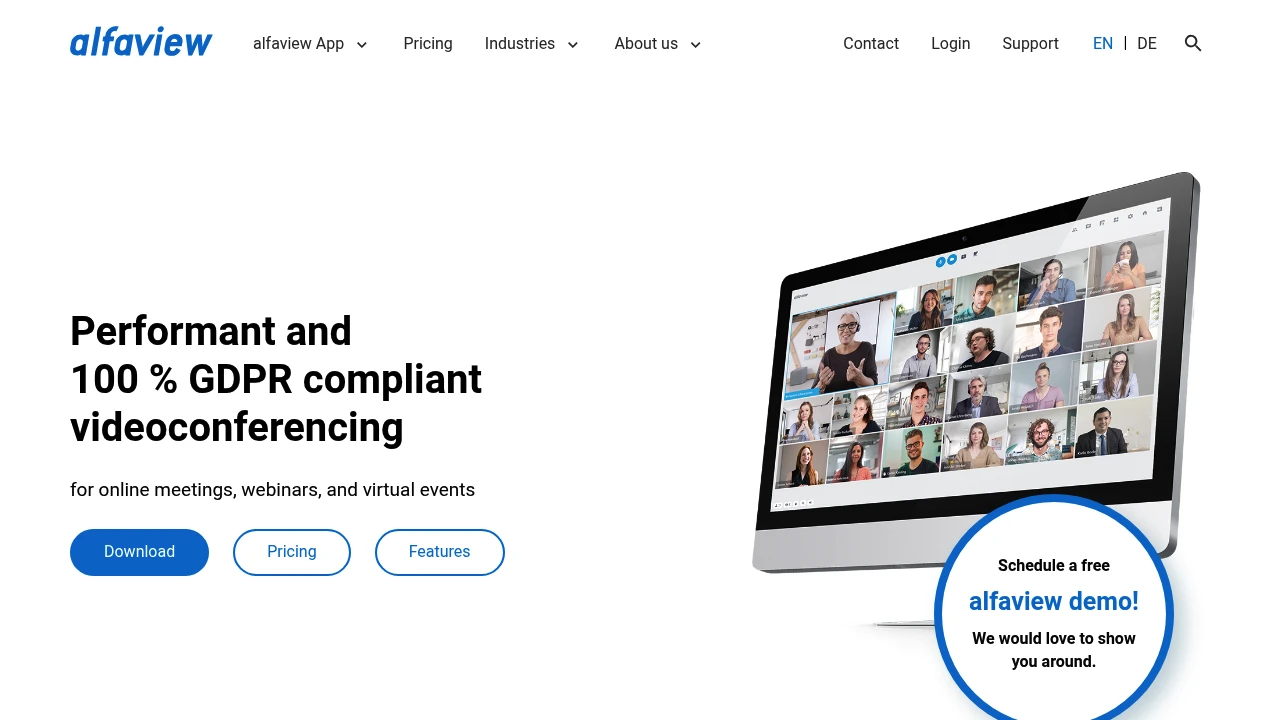
European Alternatives: Comparable video quality across all listed platforms. Tixeo and Alfaview specialise in large professional meetings. Element and Wire offer smaller team calls with genuine end-to-end encryption. Nextcloud provides self-hosted video conferencing.
Team Messaging
Microsoft Teams: Persistent chat channels, threading, search, and integration with Microsoft 365 ecosystem.
European Alternatives: Wire and Element provide equivalent persistent messaging with proper encryption. Nextcloud includes team chat within its collaboration suite. All support threading, search, and file sharing.
File Sharing and Collaboration
Microsoft Teams: Deep OneDrive and SharePoint integration, real-time document editing.
European Alternatives: Nextcloud offers complete file management with collaborative document editing. Wire and Element support secure file sharing. All platforms integrate with European document tools like OnlyOffice or Collabora.
Mobile Experience
Microsoft Teams: Polished mobile apps for iOS and Android.
European Alternatives: All listed platforms offer mobile apps. Wire and Element have particularly strong mobile experiences given their messaging focus.
Enterprise Administration
Microsoft Teams: Extensive admin controls, Azure Active Directory integration, compliance features.
European Alternatives: Wire and Element offer enterprise administration, user management, and compliance tools. Alfaview and Tixeo provide corporate administration. Nextcloud offers complete control through self-hosting.
Migration Considerations
Switching from Teams to a European alternative requires planning but is entirely feasible. Here's what to consider:
Data Export
Microsoft provides data export tools for Teams content. Chat histories, shared files, and meeting recordings can be exported before transition. The bigger challenge is often breaking workflow dependencies on Microsoft 365 integration.
User Training
European alternatives may have different interfaces, but core functionality remains similar: video calls, chat, file sharing. Most organisations report that users adapt quickly, especially when the security rationale is clearly communicated.
Integration Requirements
If your organisation relies heavily on Microsoft 365 integration (SharePoint, OneDrive, Outlook), you'll need to evaluate whether European alternatives can integrate adequately or whether broader migration is necessary. Nextcloud offers the most complete alternative ecosystem.
Hybrid Approaches
Some organisations maintain Teams for external communication while using European platforms for sensitive internal discussions. This dual-stack approach provides pragmatic balance, though it increases complexity.
The Legal Landscape Is Getting Worse
The trend in US surveillance law is toward expansion, not restriction. FISA Section 702 was recently reauthorised with broader definitions of covered providers. The CLOUD Act continues applying to an expanding range of data.
Meanwhile, European legal authorities increasingly view US cloud services as compliance risks:
- The Schrems II ruling invalidated Privacy Shield data transfer mechanisms
- European Data Protection Authorities have issued multiple warnings about Microsoft 365
- GDPR enforcement actions against US services continue accelerating
For European organisations, the question isn't whether US surveillance laws create risk—they demonstrably do. The question is whether that risk is acceptable for your specific use case.
For government agencies, defence contractors, healthcare providers, legal firms, and any organisation handling genuinely sensitive communications, the answer should be clear: European alternatives eliminate the risk entirely.
Making the Switch
The Denmark-Greenland Teams meeting wasn't unique—it's simply a visible example of a pervasive problem. Every day, European businesses and governments conduct sensitive discussions on platforms that US authorities can legally access.
European alternatives now match Teams in functionality while offering what Teams cannot: genuine immunity from foreign surveillance. Wire, Element, Tixeo, Nextcloud, and Alfaview represent mature, production-ready platforms trusted by governments and enterprises across Europe.
For organisations considering European alternatives to Google Workspace or European cloud infrastructure, communication tools should be part of the same evaluation. Digital sovereignty means controlling your entire stack, not just pieces of it.
The technology exists. The platforms are ready. The only remaining question is whether your organisation will act before the next sensitive meeting takes place on infrastructure you don't control.
Browse our complete directory of European communication and collaboration tools to find the right solution for your organisation's needs.
 SparkReceipt — Never lose another receipt. Get your bookkeeping down to ten minutes a month.